
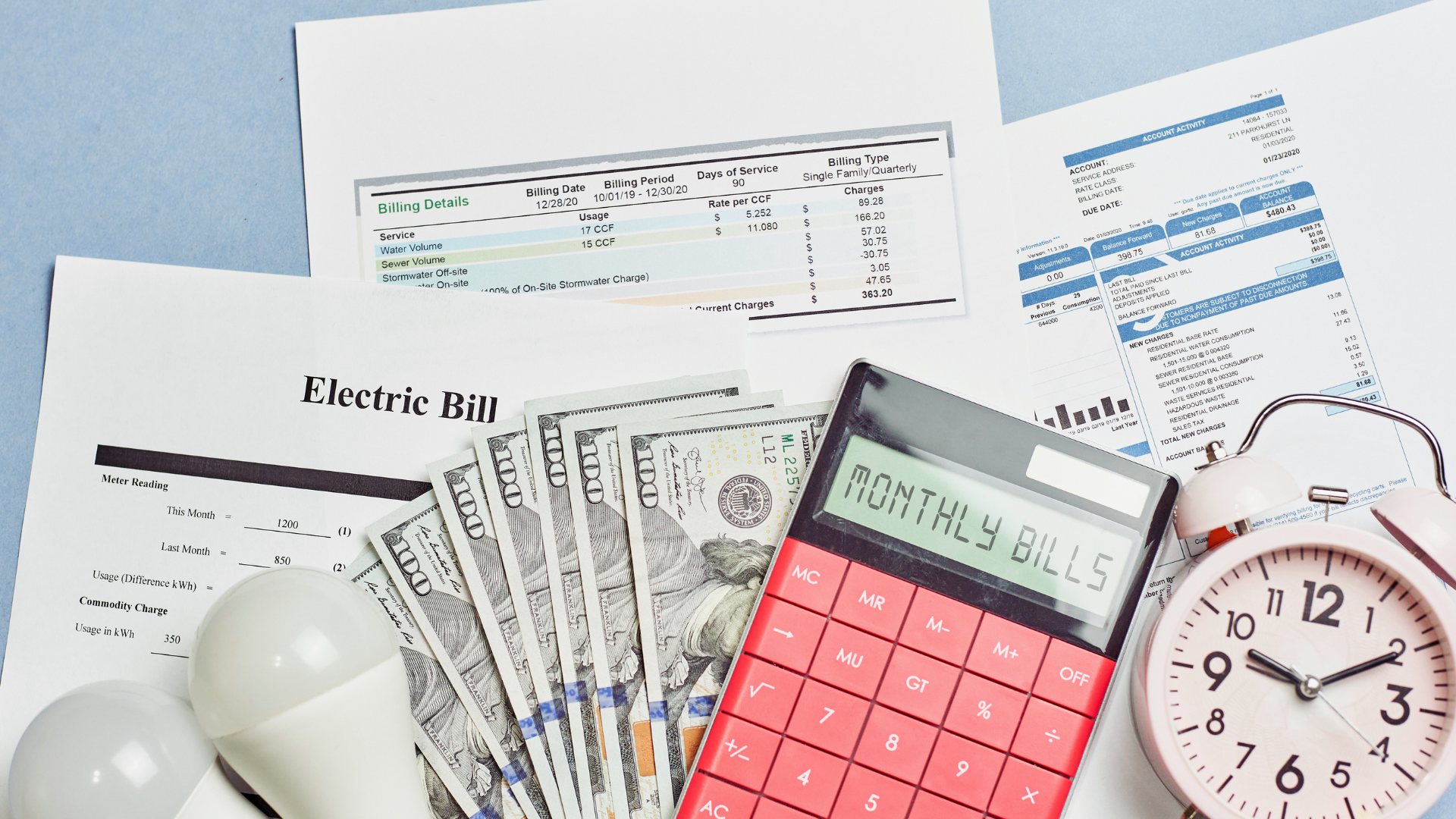
Reducing monthly bills can have a significant impact on personal finances. Simple adjustments like negotiating service rates, adopting energy-efficient habits, and eliminating unnecessary subscriptions can lead to substantial savings. Many individuals overlook these opportunities, missing out on easier ways to manage their budgets effectively.
Exploring everyday expenses reveals several areas that can be improved. For instance, switching to a more affordable phone plan or taking advantage of discounts and rewards programs offered by retailers can yield immediate benefits. Little changes often accumulate, resulting in more disposable income each month.
By implementing strategic approaches, anyone can find practical ways to cut costs. Whether through mindful spending or smart financial planning, there are many avenues available for reducing monthly expenses and achieving greater financial stability.
Smart Budgeting Strategies
Effective budgeting can significantly reduce monthly bills. By implementing targeted strategies, individuals can better manage their finances and achieve their financial goals. This section covers purposeful budgeting, tracking spending, and establishing clear financial objectives.
Create a Budget With Purpose
Developing a budget with intention is crucial. Begin by assessing income and fixed expenses, such as rent, utilities, and debt payments. This establishes a baseline for what must be covered each month.
Next, allocate funds for variable expenses like groceries and entertainment. Use the 50/30/20 rule as a guideline: 50% for needs, 30% for wants, and 20% for savings or debt repayment.
Utilizing budgeting tools or apps can simplify this process. Regularly review the budget to adjust for any changes in income or expenses, ensuring it remains aligned with financial priorities.
Track and Analyze Monthly Spending
Tracking monthly spending helps identify patterns and areas for improvement. Start by documenting daily expenses, using a spreadsheet or a budgeting app. This creates a clear picture of where money goes.
Review spending categories at the end of each month. Look for unnecessary expenses that can be reduced or eliminated. For instance, dining out frequently or subscription services may add up quickly.
Creating a spending log aids in accountability, fostering mindful spending habits. Over time, this practice can reveal opportunities to save money and make informed decisions about financial adjustments.
Set Clear Financial Goals
Establishing clear financial goals guides budgeting decisions. Goals can be short-term, like saving for a vacation, or long-term, such as retirement savings. Defining these objectives provides motivation and direction.
Utilize the SMART criteria: goals should be Specific, Measurable, Achievable, Relevant, and Time-bound. For example, “Save $5,000 for a down payment in two years” is a SMART goal.
Regularly review and adjust goals as necessary. Celebrating small milestones, such as reaching 25% of a savings goal, can keep motivation high while navigating financial challenges.
Cutting Costs on Essential Monthly Bills
Reducing essential monthly bills can lead to significant savings over time. By implementing efficient habits and utilizing technology, substantial reductions in utility, energy, mobile, and food costs are achievable.
Reduce Utility Bills With Efficient Habits
Simple changes in daily behavior can lower utility bills. Turning off lights when not in use and using energy-efficient LED bulbs can significantly reduce electricity consumption.
Another effective method is to minimize water usage by fixing leaks and using low-flow fixtures. For example, installing a low-flow showerhead can help cut down on water bills without sacrificing comfort.
Lastly, setting a regular schedule for checking filters in heating and cooling units can improve efficiency. Clean filters ensure optimal performance, reducing energy usage and costs. For homes that rely on propane for heat, choosing an efficient system and a cost effective propane supplier can be another way to lower expenses. Ultimately, securing a competitive rate and reliable delivery from the provider can impact the overall utility spending.
Lower Energy Bills Using Smart Devices
Smart technology can significantly improve energy management. Installing a programmable thermostat allows homeowners to set precise temperatures for different times of the day, optimizing heating and cooling while reducing unnecessary energy use. Similarly, smart plugs can monitor and control the energy consumption of appliances and devices remotely, ensuring that power is not wasted when items are idle.
Energy-efficient appliances are another critical factor in lowering energy bills. Purchasing new, high Energy Star–rated appliances helps reduce consumption, but maintaining existing systems is equally important. Even the most efficient devices cannot perform optimally if HVAC systems are neglected. Routine upkeep ensures that heating and cooling units operate at peak performance, complementing smart devices and energy-saving appliances. For example, scheduling professional AC repair in Tarpon Springs or elsewhere can help prevent unexpected system failures, maintain operational efficiency, and support consistent energy savings across the home. This proactive approach can not only lower electricity costs but also help extend the lifespan of your HVAC system.
Furthermore, energy costs can vary widely depending on the type of heating a household uses. While many homes rely on electricity or natural gas, some use propane as a primary fuel source. For these households, selecting the right propane provider can have a significant impact on monthly expenses. Reliable services, such as Green’s Blue Flame Gas (or similar local providers), often offer competitive rates and dependable delivery, helping ensure that heating remains both efficient and cost-effective throughout the year.
Reevaluate Mobile Phone Bills and Plans
Mobile phone bills often contain unnecessary charges. Conducting a thorough review of current plans can reveal potential savings and areas to cut costs.
Consumers should compare data plans and consider options like prepaid services if they use less data. Additionally, bundling phone services with other utilities or family plans can lead to discounts.
Eliminating premium features or switching to a basic plan that meets needs can also lower monthly expenses. Keeping track of usage helps identify which elements of the plan are essential.
Trim Food Costs Without Sacrificing Quality
Food costs can quickly add up, but there are ways to save. Meal planning helps avoid impulse purchases and ensures that shopping lists are focused on necessary items.
Buying in bulk and choosing generic brands instead of name brands can also yield savings. For example, staple items like rice, pasta, and canned goods in larger quantities are often cheaper in bulk.
Additionally, reducing food waste by utilizing leftovers creatively can maximize the value of food purchases. Planning meals around items that are close to expiration can also prevent unnecessary spending.
Optimizing Major Payments and Subscriptions
Reducing monthly bills requires strategic management of major payments and subscriptions. By focusing on debt, mortgage, insurance, and entertainment expenses, individuals can effectively lower their ongoing costs.
Refinance or Consolidate Debt
Refinancing or consolidating debt can lead to significant savings. By consolidating multiple loans, individuals can reduce their monthly payments and interest rates. This is especially beneficial for those with high-interest credit card debt.
Options for refinancing include personal loans, home equity loans, or balance transfer credit cards. By researching lenders, one can find lower rates that could decrease monthly expenses.
It is crucial to compare total costs involved in refinancing to ensure long-term savings. Analyzing the terms and potential fees will help determine if this strategy is effective.
Lower Mortgage Payment and Eliminate Private Mortgage Insurance
Lowering mortgage payments can lead to considerable savings. Homeowners may consider refinancing their mortgage to secure a lower interest rate. This could reduce their monthly payment and overall loan cost.
Moreover, if the home equity has increased, homeowners might eliminate Private Mortgage Insurance (PMI) by reaching 20% equity. This can further reduce monthly payments. Homeowners should regularly assess their mortgage terms and market conditions to find potential savings.
Reaching out to the current lender for options is advisable. Even minor adjustments can have a substantial impact on long-term financial health.
Adjust Car Insurance for Lower Premiums
Car insurance is another area where individuals can find savings. Many insurance providers offer discounts that policyholders might not be aware of. For example, bundling policies or maintaining a good driving record can result in lower premiums.
Additionally, individuals should periodically review and compare quotes from different providers. This ensures they are getting the best rate for their coverage needs.
Adjusting coverage levels and deductibles can also lead to decreased payments. A higher deductible often results in lower monthly premiums, but it’s essential to weigh the risks involved.
Audit and Cancel Unused Streaming Services
Many households subscribe to multiple streaming services, which can add up quickly. Conducting an audit of active subscriptions can reveal unused services. Canceling these subscriptions can free up funds that can be used elsewhere.
Before canceling, evaluating what content each service offers can assist in deciding what to keep. Many platforms offer free trials, allowing individuals to assess value before committing.
Considering sharing accounts with family or friends may also help mitigate costs. In doing so, individuals can enjoy content without the burden of multiple fees.
Manage Home Essentials Efficiently
Beyond financial products and entertainment subscriptions, essential home utilities can also benefit from smart management. Partnering with a trusted propane company for regular fuel delivery, for instance, can help ensure a consistent heating and cooking supply without unexpected costs.
Plus, many providers offer budget plans or automatic refill options that help households manage expenses predictably throughout the year.
Similarly, homeowners can explore ways to save on electricity or water usage by switching to energy-efficient appliances, installing smart thermostats, or using water-saving fixtures. These small adjustments can lead to meaningful long-term savings while promoting a more sustainable household.
Ultimately, taking the time to compare service plans, upgrade essential systems, and adopt efficient solutions can often make a noticeable difference in maintaining both comfort and financial stability at home.
Building Lasting Savings
Creating a strategy for lasting savings involves understanding how to manage credit effectively and setting aside funds for unexpected expenses. By focusing on these areas, individuals can strengthen their financial situation over time.
Maximize Credit Card Rewards Responsibly
Using credit cards wisely can generate significant rewards if managed correctly. Individuals should select cards that align with their spending habits. For example, those who frequently travel might benefit from cards offering travel points.
To maximize rewards, pay off the balance in full each month to avoid interest charges. This practice not only prevents debt accumulation but also maintains a positive credit score. Additionally, keeping track of bonus categories can help earn extra rewards on regular purchases.
Consider using apps or spreadsheets to manage spending and reward accumulation. This approach ensures that individuals stay on top of their financial game.
Prioritize Growing an Emergency Fund
An emergency fund acts as a financial safety net during unexpected events such as job loss or medical issues. Financial experts recommend saving three to six months’ worth of living expenses. This amount varies by individual circumstances, including job stability and monthly expenses.
Setting up a separate high-yield savings account can help individuals grow their emergency funds quickly. Automatic transfers from checking to savings can ensure consistent contributions. Many find that setting specific savings goals, such as $1,000 as a starting point, makes it easier to commit.
Additionally, he or she might want to reassess and adjust the fund periodically based on changes in income and expenses. Building this financial cushion not only promotes peace of mind but also enhances long-term financial health.